

The night grows silent while the world sleeps, yet a true believer rises for something greater. Tahajjud Dua holds a special place in Islamic worship, offering a direct line to Allah during the quietest hours before dawn. This sacred practice, rooted deeply in the Sunnah, invites Muslims to pause their rest and turn toward sincere reflection and prayer.
Whether recited in Arabic, English, or transliteration, these supplications carry timeless meaning passed down from the Prophet Muhammad ﷺ himself. For many, this Night Prayer becomes a source of comfort, guidance, and hope. Learning these authentic duas helps strengthen faith, build discipline, and deepen one’s personal connection with the Creator, one quiet night at a time.
What Is Tahajjud Dua?
Tahajjud Dua is the supplication made during or after the Tahajjud Salah. The word Tahajjud comes from an Arabic root that means “to stay awake despite tiredness.” This shows real effort. Waking up in the middle of the night takes discipline. That is why this Voluntary Night Prayer holds such a special place in Islamic Prayer life. It is also called Qiyam-ul-Layl, meaning “standing in the night.”
Tahajjud is not obligatory like the five daily prayers. Still, the Prophet Muhammad ﷺ performed it regularly. He encouraged his followers to do the same. The Quran speaks about this prayer directly. In Surah Al-Isra, Allah tells the Prophet to wake for extra prayer at night, promising a “praised station” as a reward. This single verse shows how much value Tahajjud holds. A Tahajjud Prayer Dua made in this sacred time carries deep meaning, because it comes from a heart that chose worship over rest.
Why Is Tahajjud the Best Time to Make Dua?
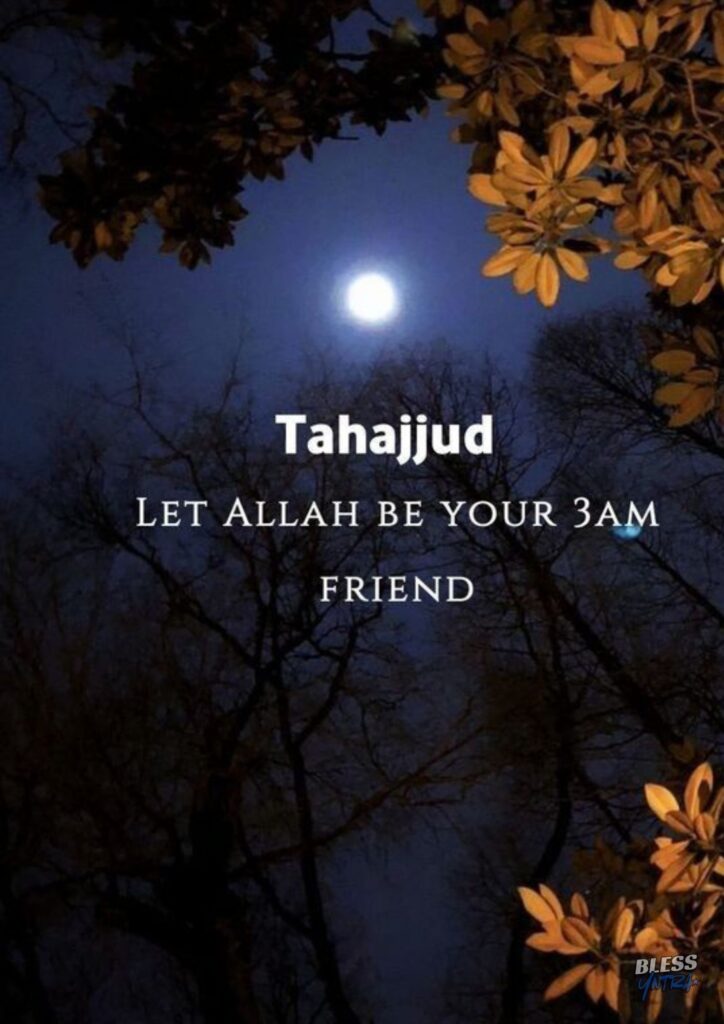
Many scholars call the Last Third of the Night the golden hour for supplication. According to a hadith found in Sahih Bukhari and Sahih Muslim, Allah descends to the lowest heaven during this time. He asks who is calling Him, who is asking Him, and who is seeking forgiveness. This is one of the strongest reasons why Dua During Tahajjud is so powerful. Few people are awake. There is no noise, no rush, and no distraction. The heart feels calm and honest.
For readers in the United States, timing can be tricky because of work and school schedules. The Last Third of the Night simply means the final portion between Isha Prayer and Fajr Prayer. Many free prayer apps calculate this automatically based on your city. Waking up even fifteen minutes before Fajr is enough to catch this blessed window. This makes an Accepted Dua more likely, since the Prophet ﷺ described this time as one where prayers are rarely turned away.
Authentic Tahajjud Dua from the Sunnah
An Authentic Tahajjud Dua should always come from reliable sources. Many websites share duas without checking their origin. This is a mistake, because not every phrase found online comes from real Hadith. Below is a well-known dua the Prophet ﷺ recited before starting his night prayer, recorded in Sahih Bukhari.
| Dua Purpose | Arabic | Transliteration | English Meaning |
| Opening dua before Tahajjud | اللَّهُمَّ لَكَ الْحَمْدُ أَنْتَ نُورُ السَّمَاوَاتِ وَالْأَرْضِ | Allahumma laka al-hamd, anta nooru as-samawati wal-ard | O Allah, all praise is for You. You are the light of the heavens and the earth. |
This dua continues with many beautiful lines praising Allah as the Sustainer of everything. It shows humility before starting the prayer. Reciting this Tahajjud Supplication connects the heart to Allah’s greatness before even bowing in Ruku or falling into Sujood.
Best Tahajjud Duas in Arabic with English Translation

This section gives you the core collection of Tahajjud Dua in Arabic, alongside Tahajjud Dua in English and Tahajjud Dua Transliteration. Each one comes from the Quran or authentic Hadith books such as Sunan Abu Dawud and Sunan Tirmidhi. Keep this table saved for your nightly worship.
| Purpose | Arabic | Transliteration | English Meaning |
| General forgiveness | أَسْتَغْفِرُ اللَّهَ الْعَظِيمَ الَّذِي لَا إِلَهَ إِلَّا هُوَ الْحَيُّ الْقَيُّومُ وَأَتُوبُ إِلَيْهِ | Astaghfirullah al-Adheem alladhi la ilaha illa huwa al-Hayyul-Qayyumu wa atubu ilayh | I seek forgiveness from Allah the Mighty, besides whom there is no god, the Ever-Living, the Sustainer, and I turn to Him in repentance. |
| Seeking pardon and safety | اللَّهُمَّ إِنِّي أَسْأَلُكَ الْعَفْوَ وَالْعَافِيَةَ | Allahumma inni as’aluka al-‘afwa wal-‘afiyah | O Allah, I ask You for pardon and well-being. |
| Rabbana verse for both worlds | رَبَّنَا آتِنَا فِي الدُّنْيَا حَسَنَةً وَفِي الْآخِرَةِ حَسَنَةً وَقِنَا عَذَابَ النَّارِ | Rabbana atina fid-dunya hasanatan wa fil-akhirati hasanatan wa qina ‘adhaban-nar | Our Lord, give us good in this world and good in the next, and protect us from the punishment of the Fire. |
| Turning back to Allah | رَبِّ اغْفِرْ لِي وَتُبْ عَلَيَّ إِنَّكَ أَنْتَ التَّوَّابُ الرَّحِيمُ | Rabbi ighfir li wa tub ‘alayya innaka anta at-Tawwabur-Raheem | My Lord, forgive me and accept my repentance. You are the Ever-Accepting of repentance, the Merciful. |
Every phrase here is short. Every meaning runs deep. La ilaha illallah sits at the heart of many of these lines, reminding the worshipper that no one deserves worship except Allah alone.
Powerful Tahajjud Duas for Every Need
Life brings different struggles, and Islam offers a dua for almost every situation. A Tahajjud Dua for Guidance helps when a person feels lost or confused about a decision. One well-known line from Sahih Muslim reads: Allahumma-hdini wa saddidni, meaning “O Allah, guide me and keep me on the straight path.” This short phrase carries huge weight, because Hidayah, or divine direction, is something even the strongest believer must ask for daily.
Other needs call for their own words. A Tahajjud Dua for Marriage often uses the Quranic verse “Rabbana hab lana min azwajina wa dhurriyyatina qurrata a’yunin,” asking Allah for a spouse and family who bring joy to the eyes. A Tahajjud Dua for Healing includes the phrase Ya Hayyu Ya Qayyum, calling upon the Ever-Living, the Sustainer, for relief from illness. A Tahajjud Dua for Rizq asks Allah to provide through halal means, using the line “Allahumma akfini bi halalika ‘an haramika,” meaning “O Allah, suffice me with what is lawful instead of what is forbidden.” For protection, many recite lines asking Allah to guard them from harm, echoing the theme of Protection from Evil found throughout the Sunnah. Each of these prayers shows that Islamic Supplication is personal, flexible, and deeply comforting.
How to Make Dua During Tahajjud Prayer
Making dua correctly starts with intention. Before sleeping, set a clear goal in your heart to wake up for Qiyam-ul-Layl. Setting an alarm fifteen to thirty minutes before Fajr works well for most people in the USA, especially those balancing work the next morning. When you wake, perform ablution first. This step of purification prepares both body and soul.
Tahajjud is usually prayed in sets of two rakats. After finishing your rakats, this is the best moment for Dua After Tahajjud. Raise your hands, face the direction of the Qiblah, and speak from the heart. You do not need fancy words. Simple, honest requests matter more than perfect grammar. Many people also make Dua in Sujood, since the Prophet ﷺ said a servant is closest to Allah while prostrating. Whisper your needs quietly during this position. Consistency matters more than length, so even five minutes of sincere prayer each night builds a strong habit over time.
Benefits of Reciting Tahajjud Dua

The rewards of this prayer touch both the soul and daily life. Spiritually, Tahajjud brings the worshipper nearer to Allah and opens the door to Mercy of Allah. The Quran promises a “praised station” for those who keep this habit, a reward tied directly to Jannah in the hereafter. Regular Night Worship also softens the heart, reduces pride, and builds real Tawakkul, or trust in Allah’s plan.
There are earthly benefits too. Waking at night for prayer builds patience, known in Arabic as Sabr, since it requires leaving a warm bed for something greater. Many people in the USA report feeling calmer and more focused the next day after a night of sincere Dhikr and dua. This quiet time also strengthens Spiritual Connection, giving the mind a break from constant noise and screens. Small acts done consistently create big change, and Tahajjud proves this every single night for millions of believers around the world.
Common Mistakes to Avoid When Making Tahajjud Dua
Even sincere worshippers can fall into small errors during this prayer. One common mistake is reciting Arabic duas without understanding their meaning. Words carry power, but that power grows stronger when the heart understands what the tongue is saying. Another mistake is rushing through the prayer just to finish quickly, instead of slowing down with real Humility.
Some people only ask for worldly things and forget spiritual requests like Forgiveness or Tawbah, or repentance. Others give up after missing a few nights, thinking the habit is ruined forever. This is not true, since every night offers a fresh start. Lastly, avoid duas shared online without checking their source. As the scholar Ibn al-Qayyim once explained, sincere worship must be built on knowledge, not guesswork. Sticking to verified duas from Sahih Bukhari, Sahih Muslim, Sunan Abu Dawud, and Sunan Tirmidhi protects your worship from error.
Frequently Asked Questions
Can I pray Tahajjud at 3:45?
Yes, as long as it falls before Fajr enters. 3:45 works well in most US cities during the Last Third of the Night.
What is the secret of Tahajjud?
The secret lies in solitude and sincerity. Allah listens closely when the world sleeps and the heart is honest.
How to recite Tahajjud dua?
Perform two rakats, then raise your hands after finishing or while in sujood, and speak to Allah in Arabic or English.
Can I do Tahajjud 20 minutes before Fajr?
Yes, 20 minutes is enough time for a few rakats and a short dua before the Fajr prayer begins.
What is the niyat for Tahajjud?
Simply intend in your heart to pray Tahajjud for the sake of Allah. No specific spoken formula is required.
Final Thoughts
Starting Tahajjud does not require perfection. Even two rakats and a few honest words to Allah hold real value. Over time, this quiet Night Prayer habit builds strength, patience, and a closer bond with the Creator. The Last Third of the Night waits patiently every single day, offering a fresh chance for Divine Guidance, Barakah, and peace of mind.
Tonight, try setting an alarm just fifteen minutes before Fajr. Whisper a simple dua from this guide, whether in Arabic or English. Small steps taken with sincerity often carry the biggest rewards, both in this life and the next.

Welcome to Bless Yntra I’ m Habib Saleem, an AI-Powered SEO, and content writer with 3 years of experience.I help websites rank higher, grow traffic, and look amazing. My goal is to make SEO and web design simple and effective for everyone. Let’s achieve more together!